Last Update:
Pipe relining offers a less invasive alternative to traditional pipe replacement, repairing damaged pipes from within using an epoxy liner without extensive digging. This method is faster, causes minimal disruption to your property, and can be more cost-effective for many repairs. In contrast, traditional replacement involves excavating and removing old pipes, which is more disruptive but necessary for severely compromised systems.
Reasons why pipe relining rehabilitation is the superior method
Where does traditional plumbing fall short?
Though traditional plumbing and pipe relining have similar goals – basically, to get one's pipes and plumbing infrastructure working again, there are baggage that the older technology has that the newer one doesn't.
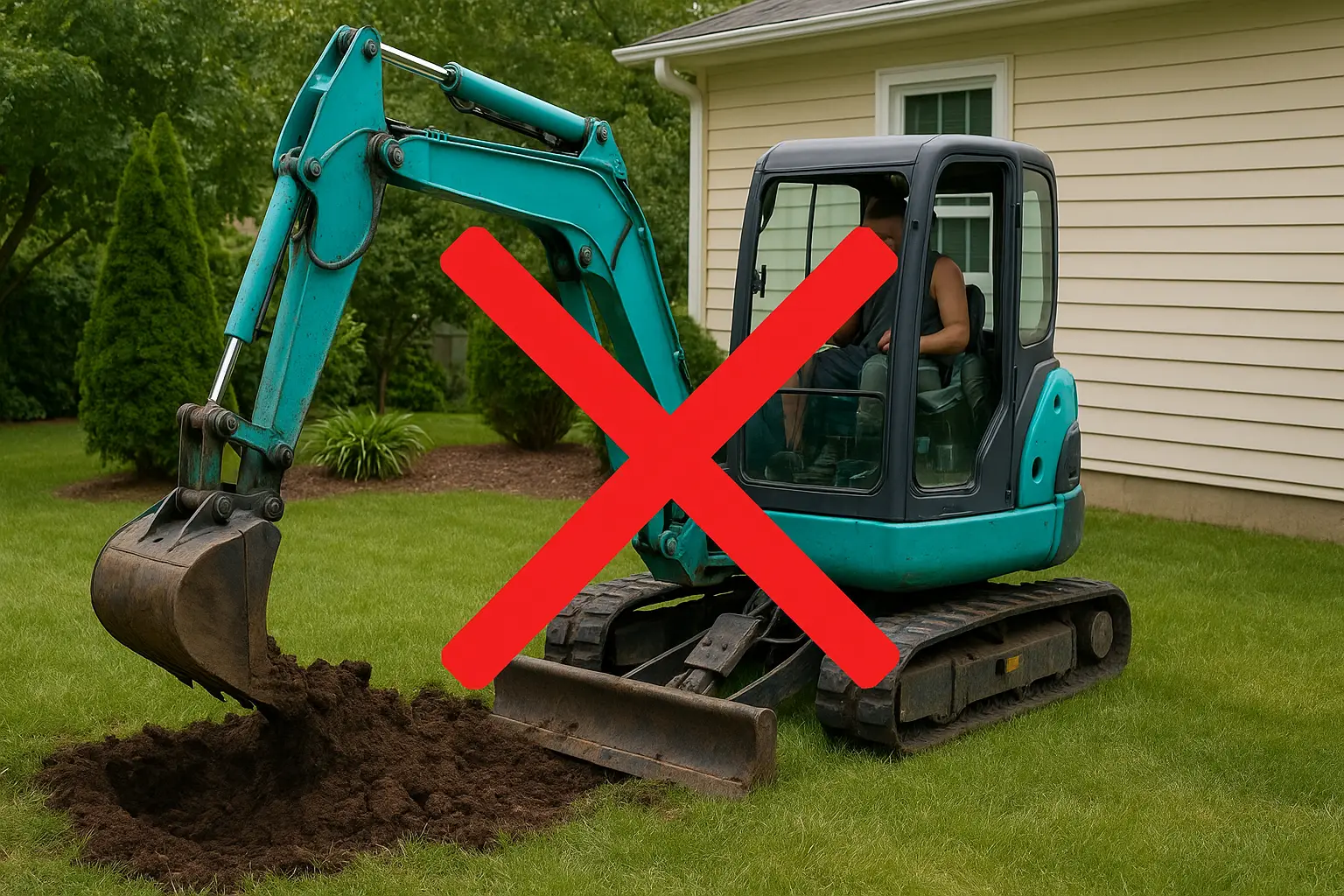
Digging
Traditional plumbing requires contractors to dig. This is a considerable concern when the location of the damaged pipes is under established buildings, gardens, and infrastructure. When major trenching is involved, property users and owners can expect their operations to be disrupted and the environment to be in disarray.
Very involved process
If you are in a hurry, the traditional method is not for you. Major plumbing drain works, especially in commercial buildings, require approval from the council or the water authority – this has to be lodged at least 20 days ahead to avoid delays. Building commission are also required to inspect the job.
Site restoration takes time
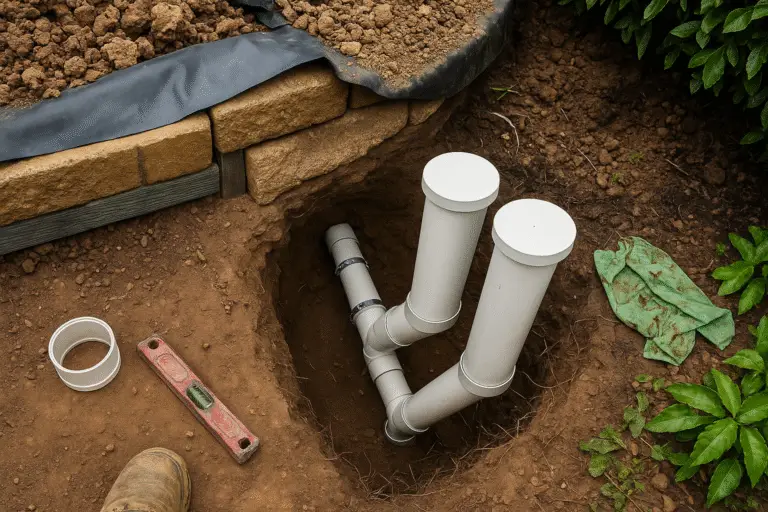
After the plumbing issues have been addressed, the location will have to be filled and paved, covered up, or re-landscaped. Although paving or installing wooden floors may merely take a day or so, restoring a garden can even take longer than a few days.
High expense
Not only will clients have to expect to pay for the plumbing repair process, there are likely to be some notable cost add-ons to reinstate the site, especially if one wants to get it back to its former self.
Can be a dangerous process

Although contractors will adhere to safety measures, the risks of having an area where civilians pass, especially if the building is still in use during the process, excavated cannot be underscored.
Takes longer
Depending on the scope of the job, pipe relining can take up to 50% less time to complete than traditional plumbing. This means that the building or infrastructure's operations can be reinstated far quicker than with traditional methods.
What is the difference between UV pipe relining and standard CIPP relining?
Standard CIPP (Cured-In-Place Pipe) relining uses either ambient temperature or steam/heat to cure the resin liner inside a damaged pipe — a process that typically takes several hours and produces styrene fumes as a byproduct. UV pipe relining replaces the heat cure with ultraviolet light, which cures the liner at up to 1.5 metres per minute, dramatically reducing job time and eliminating styrene entirely. Wilco Relining uses the UVLCR resin system — an advanced UV-curable resin with an ultra-low VOC formulation, specifically engineered for CIPP applications with no styrene or other volatile compounds — paired with the UVHL inversion liner, a European-manufactured liner constructed from recycled PET with a 600g/m² fibercore and a patented inner PU coating for additional pipe protection. The resulting lining is up to four times stronger than a new pipe and carries a 50+ year guarantee. Wilco Relining holds the WMTS-518:2017 certification for rehabilitation of non-pressure pipelines by CIPP — an Australian/NZ standard that verifies compliance with trenchless pipe rehabilitation specifications. Call 1300512737 for a free assessment.
How can Wilco Relining help?
Wilco Relining provides services with fully-equipped plumbers who are familiar with different kinds of sewage systems, and can ably use our relining technology to solve any drain pipe problem – without having to dig anything up!

Premium Quality Materials European Designed and Manufactured
At Wilco Relining, we believe in using only the best. That's why all our relining materials are European-designed and manufactured, ensuring top-tier quality, durability, and performance. By choosing trusted European products, we guarantee that every job is backed by exceptional craftsmanship—built to withstand tough conditions and deliver long-lasting results you can rely on.